
Cocoa Beach, FL Investment Properties
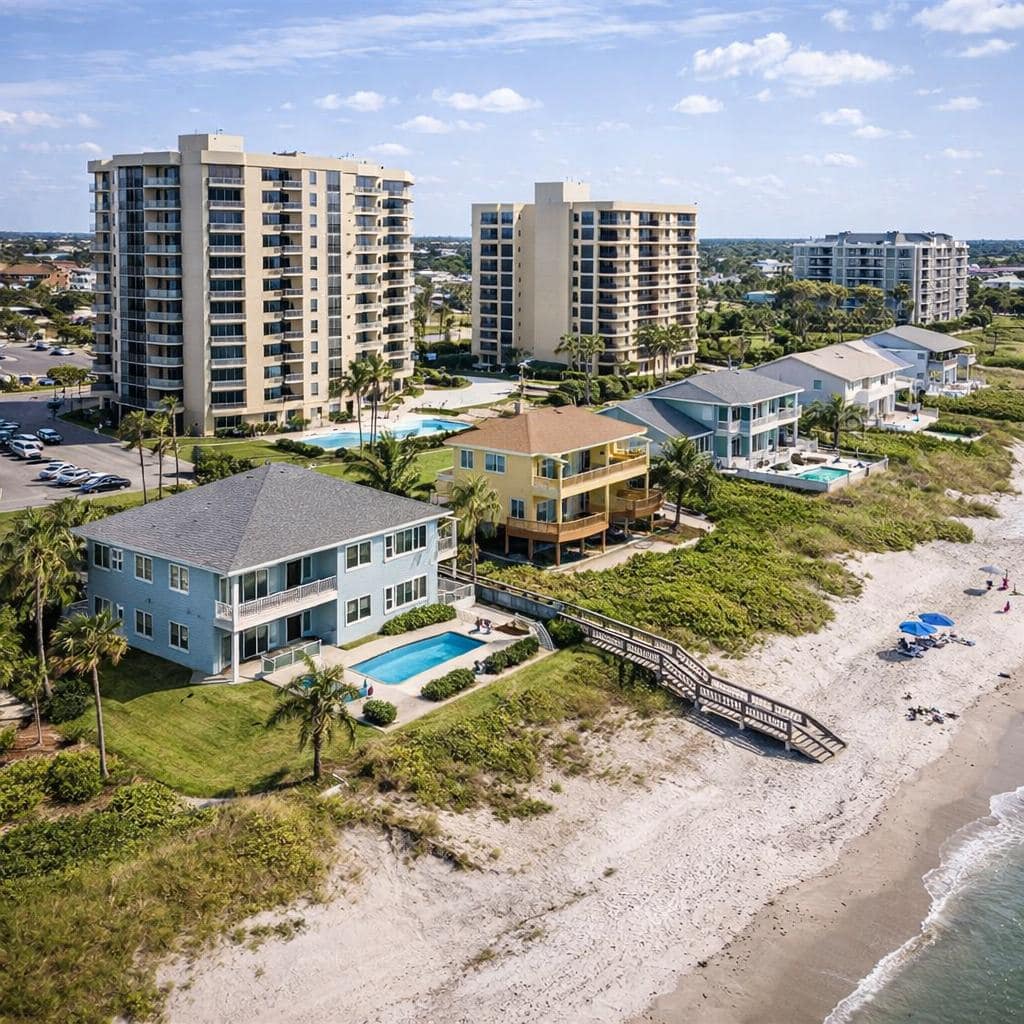
Cocoa Beach, FL Investment Properties
Cocoa Beach attracts real estate investors because it combines beach access, tourism, condos, second homes, and short-term-rental demand in a compact coastal market.
The opportunity can be compelling, but investment performance varies widely by building, HOA rules, property condition, insurance cost, financing, seasonality, management expense, and the exact rental strategy. The right way to evaluate Cocoa Beach is deal by deal rather than assuming the market itself guarantees a return.
Cocoa Beach is primarily a lifestyle- and tourism-driven investment market. Short-term-rental economics can differ substantially from traditional long-term rental underwriting, so building rules and realistic operating expenses matter as much as location.
Why Investors Consider Cocoa Beach, Florida
Established Vacation-Rental Demand
Cocoa Beach has a long history as a beach and tourism destination. That creates potential demand for short-term rentals, but occupancy and nightly rates can vary by season, property type, proximity to the beach, amenities, and management quality.
Before relying on projected revenue, investors should compare current local comps, recent booking data, HOA restrictions, and a conservative expense model.
Tourism and Location Advantages
Cocoa Beach benefits from several recurring demand drivers:
- Direct Atlantic beach access
- Port Canaveral cruise traffic
- Kennedy Space Center and launch tourism
- Regional access from Orlando and Central Florida
Those drivers can support lodging demand, but they do not eliminate seasonality or property-specific risk.
Long-Term Rental Flexibility
Some properties may also work as long-term rentals, depending on acquisition price, HOA rules, insurance, taxes, and local rent levels. Investors should underwrite the long-term option independently rather than assume a property that works as a vacation rental will also produce acceptable long-term cash flow.
What Types of Investment Properties Work Best?
Beachfront and Near-Beach Condos
Condos are common Cocoa Beach investment candidates because they can offer strong location appeal at a lower acquisition price than many single-family beachfront properties. The tradeoff is that HOA dues, reserves, assessments, rental restrictions, and building condition can materially change the numbers.
Single-Family and Canal-Access Homes
Homes near the beach or water can appeal to larger groups and longer stays, but they may carry higher acquisition, maintenance, insurance, and management costs.
Walk-to-Beach Properties
Location can materially affect guest demand and resale appeal. Investors should compare distance to the beach, parking, access, noise, flood exposure, and nearby amenities instead of relying on the Cocoa Beach address alone.
Compare strategies: Condo vs House Rental Investment
Cash Flow vs Appreciation in Cocoa Beach
Cocoa Beach often involves a different tradeoff than inland markets such as Palm Bay or Rockledge.
- Short-term rentals may offer higher gross revenue potential but greater operating complexity
- Coastal scarcity can support buyer demand, but appreciation is never guaranteed
- Tourism and seasonality can make income less predictable
- Insurance, HOA costs, assessments, and maintenance can materially reduce net returns
Understand the tradeoffs: Cash Flow vs Appreciation
For deeper analysis: Cash Flow and ROI
A Cocoa Beach deal should work after realistic management, cleaning, vacancy, HOA, insurance, maintenance, financing, and reserve assumptions—not just on gross nightly-rate projections.
Short-Term vs Long-Term Rental Strategy
Short-Term Rentals (STR)
- Potentially higher gross income
- Seasonal fluctuations
- More active management and turnover costs
- HOA and local-use restrictions must be verified
Long-Term Rentals
- More predictable occupancy structure
- Lower turnover and management intensity
- Returns depend heavily on acquisition price and carrying costs
Compare strategies: Rent vs Airbnb Investment
Financing Investment Properties in Cocoa Beach
Financing for coastal investment properties can vary by property type, condo eligibility, rental strategy, borrower profile, and projected income.
Investors should confirm loan eligibility and use conservative rent assumptions before making an offer.
How to Analyze Deals in Cocoa Beach
Underwrite the exact property rather than using market averages alone.
- Estimate realistic occupancy and nightly rates from current comparable properties
- Include management, cleaning, utilities, supplies, vacancy, and platform costs
- Account for seasonality and a repair reserve
- Verify HOA rental rules, reserves, assessments, and building condition
- Quote insurance before relying on projected cash flow
- Stress-test the deal at lower revenue and higher expense assumptions
Use these tools:
Risks to Consider
- Seasonal income fluctuations
- HOA and rental restrictions, especially for condos
- Coastal insurance and flood-related costs
- Special assessments and building maintenance
- Higher management intensity for short-term rentals
- Revenue projections that depend on optimistic occupancy
These risks do not automatically make a deal unattractive, but they need to be priced into the acquisition and operating model.
Who Cocoa Beach May Fit Best
- Investors comfortable underwriting tourism-driven income
- Buyers willing to verify HOA and rental restrictions carefully
- Owners prepared for active management or professional management expense
- Investors who value coastal location and understand the carrying-cost tradeoffs
If you prefer simpler long-term rental economics, an inland Brevard market may be a better fit. If you are comfortable with greater operating complexity, Cocoa Beach can be worth evaluating property by property.
Next Steps
Analyze a Cocoa Beach Investment Before You Buy
Golden Hour Real Estate can help you compare current properties, rental rules, ownership costs, local comps, and financing assumptions before you commit to a Cocoa Beach investment.